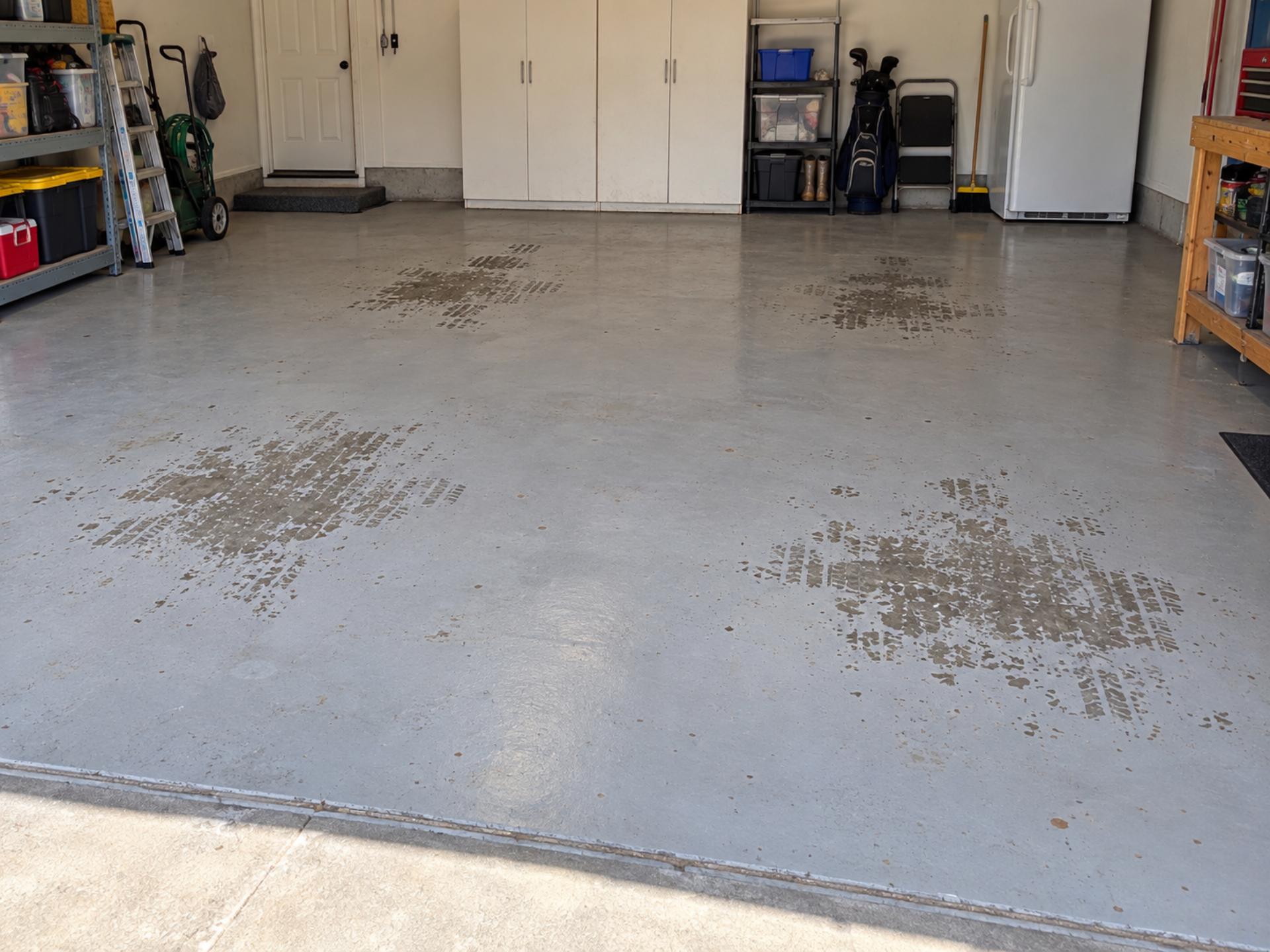
What is hot tyre pickup?
Hot tyre pickup occurs when a vehicle’s tyres transfer heat and pressure onto a floor coating, causing the coating to soften or reactivate enough to bond to the tyre.
When you drive your car, the tyres can become surprisingly hot. Even after a relatively short trip, tyre temperatures can reach significant levels, up to 70 degrees.
Once the vehicle is parked on a coated garage floor, that heat is transferred directly into the coating.
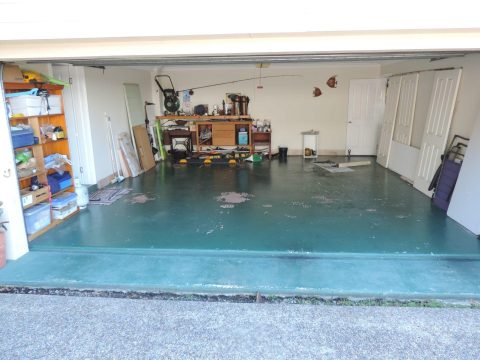

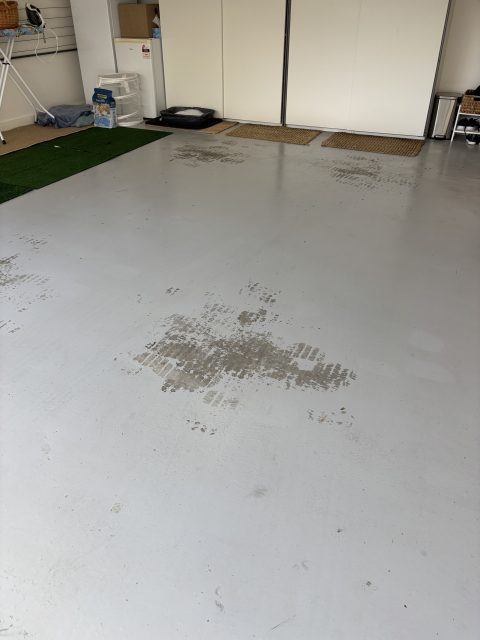
If the flooring system is poorly suited to the application, has not cured correctly, or has been installed over an inadequately prepared surface, the combination of heat and pressure can create problems.
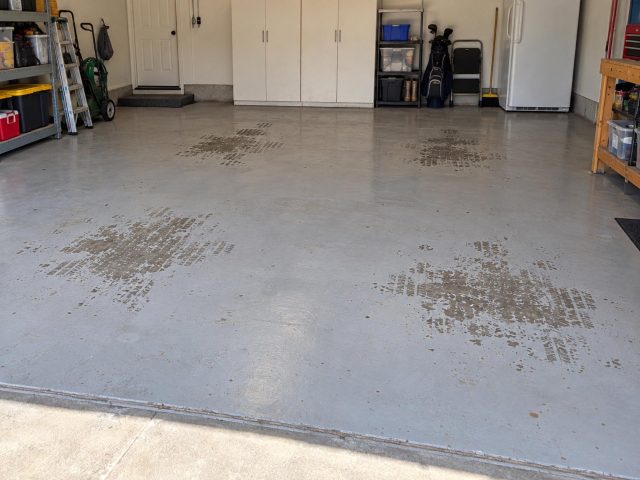
When the vehicle is driven away, the coating can stick to the tyre and pull away from the concrete.
In severe cases, you can literally see sections of the coating come away from the floor.
Why does hot tyre pickup happen?
There isn’t always one single cause.
Hot tyre pickup can be influenced by several factors, including:
- Poor concrete preparation
- Low quality or unsuitable coating products
- Incorrect installation
- Inadequate curing
- Environmental conditions during installation
- Heat and pressure from vehicle tyres
- The absence of a suitable protective system such as car mats
This is why choosing an epoxy floor should be about more than simply comparing the price per square metre.
1. Proper concrete preparation matters A LOT
One of the most important parts of an epoxy flooring installation happens before the epoxy is even applied.
The concrete needs to be properly prepared.
Mechanical grinding is used to remove the weak surface layer called laitance, contaminants and other materials that can interfere with adhesion.
Grinding also creates a profile in the concrete.
Think of it like running a fork through a block of butter. Instead of having a completely smooth surface, you create small grooves and increase the available surface area.
That gives the coating more concrete surface area to mechanically bond to.
A coating sitting on top of a smooth, contaminated or poorly prepared surface is not the same as a properly installed system that has been mechanically bonded to prepared concrete.
2. Don’t automatically choose the cheapest product
Price matters, but it shouldn’t be the only consideration.
DIY kits and inexpensive floor paints can look attractive because of their lower upfront cost.
However, garage floors have to deal with very different conditions from an ordinary painted surface.
They may be exposed to:
- Vehicle tyres
- Heat
- Oil and chemicals
- Heavy loads
- Abrasion
- Impact
- Moisture
- Regular cleaning
The coating system needs to be appropriate for the environment in which it will be used.
When comparing quotes, ask the contractor what products they are using and why those products are suitable for your particular application. In the world of epoxies the volume and quality of the resins used make a large difference to the strength of the finished floor.
3. Choose an experienced installer
Even high quality products can fail if they are installed incorrectly.
When speaking to a flooring contractor, don’t be afraid to ask questions.
For example:
“What do you do to prevent hot tyre pickup?”
Ask about their preparation process.
Ask what type of epoxy and topcoat they use.
Ask how they handle temperature and environmental conditions during installation.
And importantly, ask what happens if something goes wrong.
A professional contractor should be able to explain their system rather than simply giving you a price.
4. Consider the installation conditions
Epoxy products need to be installed under appropriate conditions.
Temperature, humidity and other environmental factors can affect how flooring products cure.
This is particularly important in regions such as Queensland, where weather and humidity can change considerably.
A flooring contractor needs to understand the conditions they’re working in and ensure the products are applied and allowed to cure correctly.
A beautiful floor is only as good as the system and installation behind it.
5. Consider using car mats
There is a reason you often see mats underneath vehicles in car showrooms with beautiful coated floors
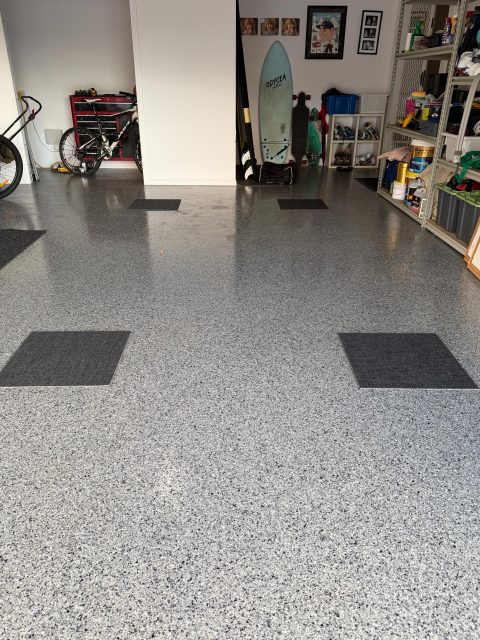
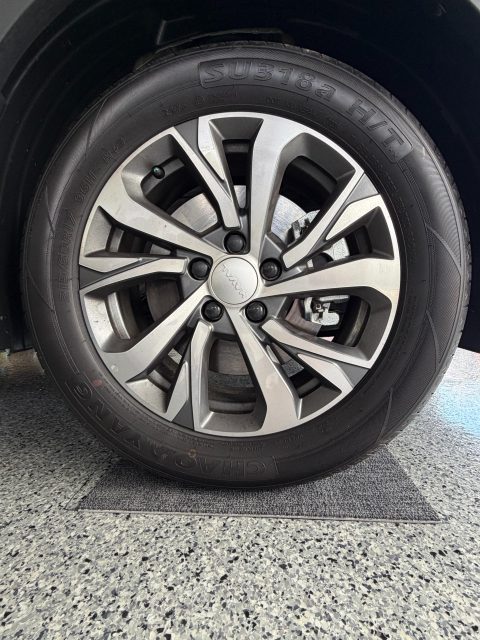

A suitable car mat can provide an additional layer between the tyre and the floor coating.
It helps disperse heat and tyre pressure and removes direct contact between the tyre and coating.
Car tyres can also release substances such as 6PPD that may interact with certain coatings, so reducing direct contact can be another sensible precaution. 6PPD is a chemical that improves tyre pliability and therefore performance, but it can stain coatings and potentially soften them, leading to hot tyre pick up. This is a bigger topic for another post, and we’ve made a video on it on our YouTube channel.
For homeowners who want to take additional steps to protect their garage floor, a tyre mat can be worth considering. We use rubber backed carpet tiles from Bunnings and they are only $9 each.
6. Ask about the warranty
This is one of the questions we recommend asking before choosing a flooring contractor.
“Does your warranty cover hot tyre pickup?”
Not every flooring system or warranty is the same.
A warranty that specifically addresses hot tyre pickup can provide additional peace of mind when you’re investing in a garage floor.
Don’t simply ask whether a contractor offers a warranty.
Ask what the warranty actually covers.
Understanding the terms before the work begins is much better than finding out what isn’t covered after a problem occurs.
Is the cheapest epoxy floor really the cheapest?
It’s tempting to choose the lowest quote.
But if a floor fails and needs to be removed and installed again, the original saving can quickly disappear.
When comparing epoxy flooring quotes, look at the entire system.
Preparation, products, installation, curing, topcoat and warranty all play a part.
Two contractors may quote very different prices because they may not be offering the same system.
A cheaper quote isn’t necessarily bad, but you should understand what you’re getting for the price.
How can you reduce the risk of hot tyre pickup?
Before choosing your garage flooring, consider these six steps:
- Prepare the concrete properly. Mechanical preparation helps create the surface profile required for strong adhesion.
- Choose quality flooring products. Make sure the products are appropriate for a garage and vehicle environment.
- Use an experienced installer. Ask questions about preparation, products and installation conditions.
- Pay attention to curing conditions. Temperature and environmental conditions can affect the performance of the flooring system.
- Consider tyre mats. They can provide an additional layer of protection between hot tyres and the coating.
- Ask about the warranty. Find out specifically whether hot tyre pickup is covered.
Hot tyre pickup isn’t something homeowners should discover after they’ve invested thousands of dollars in their garage floor.
The good news is that there are practical steps you can take to reduce the risk.
The key is to look beyond the colour and finish of the floor.
Ask about the preparation. Ask about the products. Ask about the installation process. Ask about hot tyre pickup. And most importantly, ask about the warranty.
A quality epoxy floor isn’t simply about what it looks like on installation day. It’s about how the complete flooring system performs once your car, tyres and everyday life are using it.